
 Buy Online


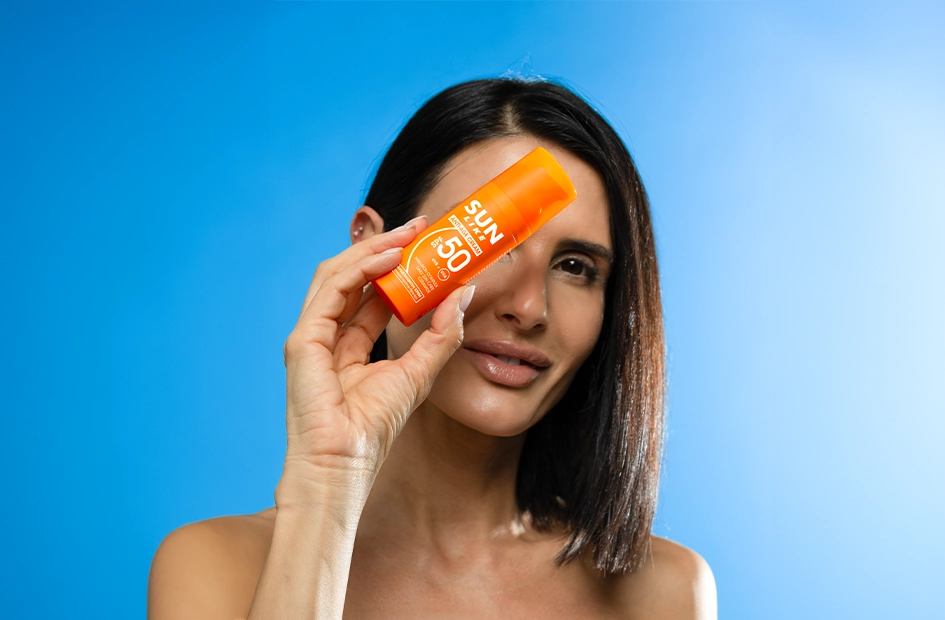

At what age should we start using anti-aging sun protection?
There is no set age at which you need to start using anti-aging sunscreen. Sun protection is important from childhood, using products appropriate for each age. For adults, the choice of anti-aging sunscreen depends on the skin's needs, not on the appearance of the first wrinkle.
If you are wondering when to start using anti-aging sun protection, the answer is simple: there is no need to wait for visible changes. More important than an “anti-aging” label are UVA and UVB protection, good skin tolerance, and consistent application.
Anti-aging sunscreen – when should it become part of your daily routine?
Prolonged exposure to sunlight gradually leaves its mark. Even when we do not notice it immediately, UV rays affect the skin and can contribute to premature aging.
According to the UK National Health Service (NHS) , children aged six months and older should use an age-appropriate product with at least SPF 30 and UVA and UVB protection. Babies under six months should be kept out of direct sunlight. This is not a recommendation to use anti-aging cosmetics on children.
Should we wait until the first wrinkles appear?
There is no single answer to when the first wrinkles appear. Genetics, habits, and environmental factors also play a role. Visible signs of aging are therefore not a reliable indicator of when to start protecting the skin.
Daily facial sunscreen can become part of your routine before fine lines become noticeable. It is a sensible part of anti-aging skincare, including skincare at a younger age.

What causes photoaging and premature skin aging?
Photoaging refers to skin changes associated with prolonged and repeated exposure to UV radiation. This sun-induced aging occurs in addition to the skin's natural age-related changes.
According to the World Health Organization , both types of UV rays contribute to photoaging. Signs include wrinkles and loss of elasticity. Areas frequently affected are the face, neck, décolletage, and hands, which are regularly exposed to sunlight.
UVA and UVB rays – how do they affect collagen?
The two main types of UV rays considered in sun protection are UVA and UVB. UV rays penetrate the skin to different depths: UVA rays penetrate more deeply, while UVB rays act primarily in the epidermis and are a major cause of sunburn.
UV radiation can cause DNA damage and the formation of free radicals. When free radicals exceed the capacity of the body's protective mechanisms, oxidative stress occurs. According to a scientific review of photoaging mechanisms , these processes promote the breakdown of collagen and elastin and can disrupt collagen production. This contributes to a loss of skin elasticity and the formation of wrinkles.
Photoaging, dark spots, and wrinkles
Sunlight also affects melanin production. Uneven pigmentation may appear as hyperpigmentation and dark spots. Solar lentigo is a type of flat pigmented spot; these marks are often called “age spots.”
Changes in texture, fine lines, and loss of elasticity do not necessarily appear at the same time. Any new or changing spot should be assessed by a dermatologist.
How to choose sunscreen for wrinkle prevention
To help prevent wrinkles associated with sun damage, start with broad-spectrum UV protection. The WHO recommends at least SPF 30 , combined with shade and protective clothing.
The right sunscreen should suit your skin's condition and personal preferences. A pleasant texture makes consistent use easier.
| Skin type | What to look for |
|---|---|
| Dry | Creamy texture and hydration |
| Oily | A lightweight formula that does not feel uncomfortable |
| Sensitive | Good individual tolerance and careful formula selection |
| Mature | UV protection complemented by hydrating active ingredients |
SPF 50 and filters – why is broad-spectrum protection important?
SPF primarily indicates protection against UVB rays. When choosing SPF 50, also check the label for UVA protection. Sunscreen filters reduce the amount of UV radiation reaching the skin.
Sunscreen protects the skin when used correctly, but it does not block all UV rays. A high SPF does not justify excessive sun exposure.
Sunscreen cream or sunscreen stick?
Sunscreen cream spreads easily across the face, neck, and décolletage, while a sunscreen stick is convenient for smaller areas and for reapplication on the go. Whatever the format, check the SPF and UVA protection and follow the directions for applying a sufficient amount.
Active ingredients and hydration in anti-aging sunscreen
In mature skincare, hydration complements sun protection and helps the skin feel comfortable. However, hydration does not replace sunscreen or remove existing wrinkles.
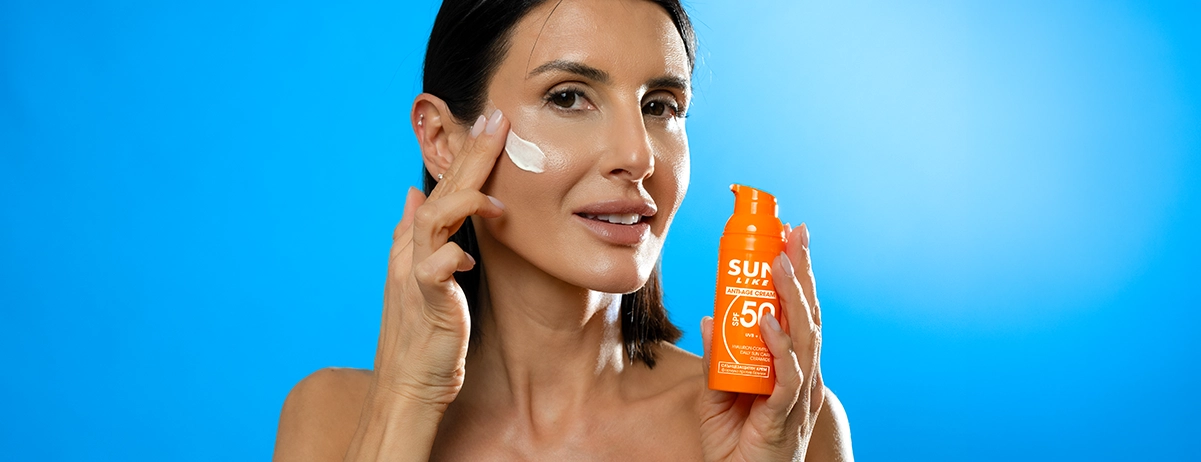
Sun Like Anti-Aging Facial Sunscreen SPF 50
Sun Like Anti-Aging Facial Sunscreen SPF 50 combines broad-spectrum UVA and UVB protection with hyaluronic acid and ceramides. According to the product description, the formula supports hydration and skincare aimed at signs of premature aging.
The cream has a lightweight, fast-absorbing texture, is dermatologically tested, and is described as suitable for all skin types. It comes in a 50 ml airless container. It is a great option for a morning routine that combines sun protection with skincare.
Clinical study – how does sunscreen affect skin aging?
A randomized study published in 2013 followed 903 adults under the age of 55 for 4.5 years. Daily sunscreen use was associated with 24% lower odds of progression of measured skin aging compared with discretionary use.
This supports sunscreen as part of preventing UV-related skin aging. The study did not evaluate the Sun Like product, and the result does not mean a 24% reduction in existing wrinkles.
A daily routine to help prevent premature skin aging
Apply sunscreen as the last step of your morning skincare routine, before makeup. Cover the face, ears, neck, and exposed décolletage. Follow the instructions for the recommended quantity: applying too little reduces protection.
When outdoors, reapply every two hours and after swimming, sweating, or towel-drying. Adjust your protection to your exposure, the UV index, and weather conditions, including on cloudy days.
We cannot prevent natural aging, but we can limit sun damage. Consistency is an important part of caring for skin health. If we want our skin to look healthy and radiant, sun protection deserves a place in our daily routine.
Do not wait for your first wrinkle to start caring for your skin. Explore Sun Like sunscreens, choose the formula that suits your needs, and make protection a daily habit. Good skincare starts with the small things you do consistently.
Frequently asked questions
At what age should we start using anti-aging sunscreen?
There is no fixed starting age for adults. Choose an anti-aging formula based on your skin's needs. For children, use age-appropriate products.
Does anti-wrinkle sunscreen remove signs of aging?
Sunscreen helps protect the skin against some UV damage, but it does not remove wrinkles that have already formed.
Is applying sunscreen once in the morning enough?
During prolonged outdoor exposure, reapply every two hours and after swimming, sweating, or towel-drying.
Summary:
- There is no fixed starting age for anti-aging sunscreen in adults; consistent UV protection matters most.
- Choose broad-spectrum UVA and UVB protection with at least SPF 30 to suit your skin.
- Sunscreen helps limit UV damage but does not remove existing wrinkles.
Author: Desislava Frangova


