
 Buy Online


Glossary of ingredients in sunscreen products
Have you ever spent what felt like forever standing in front of a shelf of sunscreen products, trying to choose the right lotion or cream? The labels look the same, while the long list of ingredients is difficult for the average person to understand. Yet those very ingredients determine whether the product will provide reliable protection from UV rays, whether it will be suitable for people with sensitive skin or for your child.
Today, more and more people understand the need to know the ingredients and are beginning to look for in-depth information on the subject. If you are one of them, this article is for you. In the following lines, we will look at some common components of sunscreen creams and explain the function of each one.
What types of ingredients are found in sunscreen products?
Every sunscreen product, whether a cream, lotion or spray, contains a combination of several main groups of ingredients. They work together to provide broad-spectrum protection from UVA and UVB rays, maintain skin hydration and elasticity, and ensure the stability of the formula even during prolonged sun exposure.
Ingredients are generally divided into active ingredients – those that directly protect against harmful solar radiation – and supporting ingredients, which take care of hydration, comfort and the pleasant texture of the product.
Mineral sunscreen filters
Mineral sunscreen products act as a physical barrier – they reflect and scatter UV rays without penetrating the skin. They are effective from the moment they are applied and are particularly suitable for children’s or sensitive skin, as they do not cause irritation. They are considered more environmentally friendly, while their main disadvantage is the characteristic white cast that can remain visible after application.
Zinc Oxide
Zinc oxide provides broad-spectrum UVA and UVB protection, including against UVA-1 (long-wave rays) associated with photoaging. It is extremely stable in sunlight and does not break down under UV exposure. In some mineral formulas for sensitive skin, it is used in a micronized form that does not leave white marks while retaining the properties of the ingredient.
Titanium Dioxide
Titanium dioxide mainly reflects UVB and part of the UVA-2 rays (those with a shorter wavelength), helping protect against burning and redness. It has a lighter texture and is often combined with other filters to achieve full UVA protection.
Chemical filters for UVA and UVB protection
Chemical sun protection is based on organic compounds that absorb UV rays and convert them into harmless heat energy. They provide a light, non-greasy texture and are preferred in products for daily use.
Ethylhexyl Methoxycinnamate
Also known as Octyl Methoxycinnamate, this filter mainly protects against UVB rays, which cause sunburn and DNA damage. It is often combined with avobenzone and titanium dioxide. It provides stable protection and a light texture that feels pleasant during application.
Butyl Methoxydibenzoylmethane (Avobenzone)
This is a key ally against UVA rays, which accelerate aging and cause pigmentation spots. Avobenzone is used in combination with UVB filters to provide full broad-spectrum protection.
Ethylhexyl Salicylate
It absorbs UVB rays and supports the stability of other filters. It strengthens the action of Avobenzone and reduces the risk of photodegradation, meaning the breakdown of ingredients under the influence of light.
Hydrating and restorative ingredients
A good sunscreen product not only protects from UV rays but also restores the skin’s hydrolipid balance and barrier function. Hydrating components soothe, soften and help prevent the feeling of dryness after prolonged sun exposure – something especially important for sensitive and children’s skin.
Panthenol
Known as provitamin B5, panthenol supports skin recovery and soothing. It reduces redness and the uncomfortable feeling of tightness after sun exposure. It is the star ingredient in all products from the Sun Like Panthenol range.
Hyaluronic Acid (Sodium Hyaluronate)
Hyaluronic acid is a substance that occurs naturally in the human body. It has the ability to bind to water molecules and in this way helps keep the skin elastic and hydrated. This is also the function of hyaluronic acid in cosmetic products.
Aloe Vera (Aloe Barbadensis Leaf Juice)
Aloe vera cools, reduces redness and supports skin regeneration. It is used mainly in After Sun products because it effectively relieves the sensation of burning and restores hydration.
Urea
A natural moisturizing factor that retains water in the surface layers of the skin. It improves softness and elasticity – which is why you will see it not only in after-sun products, but also in softening hand and body creams.
Allantoin
It soothes, softens and supports the recovery of irritated skin. It enhances the regenerative action of panthenol.
Chamomile Extract (Chamomilla Recutita Extract)
Chamomile is extremely popular in cosmetics because it has pronounced anti-inflammatory and soothing properties. In sun care, you will encounter it in ranges for children and people with sensitive skin.
Calendula Extract (Calendula Officinalis Extract)
Calendula is another star natural ingredient. It has strong anti-inflammatory and healing properties, speeds up regeneration and reduces the risk of irritation after a long day in the sun.
Antioxidants and vitamins
When we are exposed to UV rays, free radicals form in the body and contribute to premature skin aging. Antioxidants neutralize these molecules. In this way, these active ingredients slow the processes of photoaging and support faster recovery after sun exposure.
Vitamin A (Retinyl Palmitate)
Vitamin A stimulates cell renewal and supports the structure of collagen. It is important for maintaining skin elasticity and an even complexion.
Vitamin E (Tocopheryl Acetate)
Vitamin E protects cell membranes from oxidative stress and reduces damage caused by harmful UV rays. It strengthens the skin’s natural protective mechanisms and supports the retention of sufficient water in the skin.
Beta-Carotene (Beta Carotene)
Beta-carotene is a natural pigment and powerful antioxidant that supports even darkening of the skin. It neutralizes free radicals and helps maintain a golden tan without burning. At the same time, it protects the oil phase from photo-oxidation and gives the product a golden hue.
Vitamin C
You may sometimes find it in the formula of your sunscreen because vitamin C protects against oxidative stress, supports collagen synthesis and strengthens the action of vitamin E. It also helps lighten pigmentation spots and maintains a fresh-looking complexion.

Which nourishing natural oils are most commonly used in a sunscreen lotion?
Natural oils are an indispensable part of the formula of a good sunscreen product. They nourish, soften and restore the skin’s lipid balance, which is disturbed by exposure to sunlight. They also improve elasticity and create a silky feel.
Almond Oil (Prunus Amygdalus Dulcis Oil)
Almond oil is rich in fatty acids and vitamin E. It keeps the skin soft and elastic, soothes it and protects it from drying out after prolonged time outdoors.
Shea Butter (Butyrospermum Parkii Butter)
Shea butter is rich in fatty acids and vitamins A and E. This is why it successfully protects the skin from drying out and nourishes it deeply. It contains natural UV-absorbing molecules that provide a mild additional photoprotective effect, but they cannot replace specialized sunscreen ingredients. It adds softness and supports a healthy bronze tan.
Coconut Oil (Cocos Nucifera Oil)
Coconut oil restores the lipid barrier and has antibacterial properties. Thanks to its high lauric acid content, it reduces the risk of irritation and leaves the skin smooth and elastic. In addition to sunscreens, it is also found in some after-beach oils, where it provides long-lasting hydration and natural protection.
Avocado Oil (Persea Gratissima Oil)
Avocado oil is a source of vitamins A, D and E and supports the recovery of dry and sensitive skin. It improves elasticity and speeds up regeneration after sun exposure.
Carrot Oil (Daucus Carota Sativa Root Extract)
Carrot oil is rich in beta-carotene – a natural source of vitamin A and a powerful antioxidant. It supports an even tan and gives the skin a healthy golden glow by enhancing melanin synthesis.
Broccoli Seed Oil (Brassica Oleracea Italica Seed Oil)
Broccoli seed oil is a modern plant-based alternative to silicones. It smooths the skin, improves the spreadability of the product and gives a natural glow. It strengthens the barrier function and creates a silky feel.
Supporting ingredients
They do not provide direct sun protection, but they are crucial for the texture, stability and comfort of every sunscreen lotion. They help the product spread evenly, absorb well and remain stable at high temperatures.
Dimethicone
Dimethicone is a soft silicone that forms a thin protective film on the skin, prevents transepidermal water loss and creates a silky feel. It does not clog pores and is safe even for sensitive skin. It contributes to the product’s non-greasy texture.
Glycerin
Glycerin is one of the most effective humectants used in cosmetics. It attracts and retains water in the upper layers of the skin, keeping it soft and hydrated even during prolonged sun exposure.
Cetearyl Alcohol
Despite the word “alcohol” in its name, this is a fatty alcohol with nourishing and softening properties. It stabilizes emulsions and gives the lotion body without drying out the skin.
Glyceryl Stearate
Glyceryl Stearate acts as an emulsifier that binds the water and oil phases into a stable, smooth texture. It also protects the skin from water loss.
C12-15 Alkyl Benzoate
This is a light emollient that makes the product non-greasy and easy to apply. It provides a silky feel and helps UV filters distribute evenly across the skin.
Caprylic/Capric Triglyceride
It is derived from coconut oil and glycerin. It is used as a softening and nourishing ingredient that improves the spreadability and absorption of the product.
Lactobacillus Ferment
A probiotic ingredient derived from lactic acid bacteria that strengthens the skin’s natural protection and supports its microbiome. It reduces the risk of irritation and balances reactions in sensitive skin. Lactobacillus Ferment is found in formulas for sensitive skin because it improves product tolerance and provides a long-lasting feeling of comfort.
Preservatives and stabilizers
This class of ingredients keeps the product fresh, safe and effective throughout its shelf life. They prevent the growth of microorganisms and preserve the stability of the formula without irritating the skin. Sun Like sun care products use gentle, dermatologically tested ingredients suitable for sensitive skin and children.
Phenoxyethanol
Phenoxyethanol is a gentle and effective preservative widely used in dermatological cosmetics as an alternative to parabens. It provides protection against bacteria and fungi without disrupting the skin’s natural microflora.
Ethylhexylglycerin
Ethylhexylglycerin strengthens the action of Phenoxyethanol and improves the softness of the product. In addition to its antimicrobial effect, it also has moisturizing properties that increase comfort during application. It contributes to the hypoallergenic profile of the formula.
Caprylyl Glycol
Caprylyl Glycol is a multifunctional ingredient – it acts as a humectant, stabilizer and natural preservative. It supports even distribution of the active substances and increases product stability.
Sodium Benzoate
Sodium Benzoate is a safe preservative with a long history of use in cosmetics and foods. It prevents the growth of microorganisms and maintains the cleanliness of the water phase in the lotion. You may encounter it not only in sunscreen lotion, but also in the recipe for your favorite pickles.
Potassium Sorbate
Potassium sorbate works together with sodium benzoate to prevent the growth of molds and yeasts. It has high skin tolerance and is used even in children’s cosmetics.
Stabilizers and antioxidants in the oil phase
Antioxidants in the oil phase protect fatty ingredients from oxidation and preserve the freshness, color and fragrance of the product. They also help maintain the effectiveness of UV filters and extend shelf life without changing the texture of the lotion.
Tocopherol (pure vitamin E)
Tocopherol is the pure form of vitamin E, which protects oil components from rancidity and oxidative stress. In addition to being a stabilizer, it is also an active antioxidant that supports skin elasticity. It contributes to a soft, nourishing texture.
Retinyl Palmitate (vitamin A)
Retinyl palmitate is a stable form of vitamin A that strengthens the structure of the epidermis and increases its resistance to UV stress. In oil phases, it acts as an antioxidant and improves the overall stability of the product.
Fragrance and aesthetic components
Fragrance ingredients give the product a pleasant sensory experience during application, but their amount must be carefully controlled to avoid irritation. Sun Like formulas use fragrance compositions that comply with European standards, at low concentrations and with good tolerance.
Parfum (Fragrance)
The fragrance composition provides the pleasant scent people expect from a good cosmetic product. Sun Like formulas use light, unobtrusive fragrances that comply with EU requirements for sun care cosmetics.
Coumarin
Coumarin has a mild sweet aroma reminiscent of vanilla and fresh grass. It is used in minimal amounts and contributes to the harmony of the fragrance without affecting product effectiveness.
Benzyl Salicylate
Benzyl Salicylate acts both as a fragrance component and a UV stabilizer. It fixes the fragrance and protects the perfume composition from breaking down under sunlight. This is why you will find it in many sunscreen products.
D-Limonene
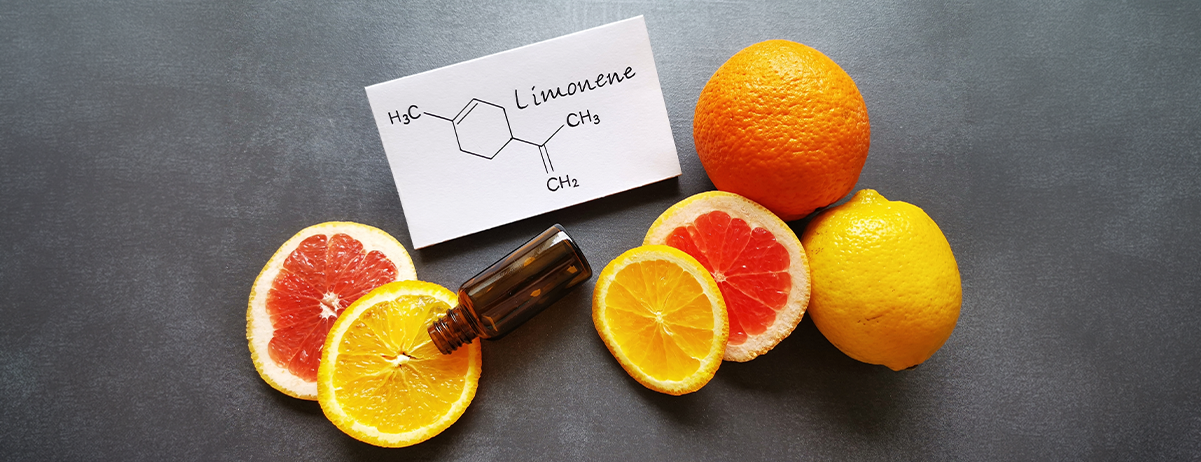
D-Limonene is a natural aromatic terpene derived from citrus peels. Even in minimal amounts, it has the ability to add freshness without making the formula feel heavy.
Piperonal
Piperonal (heliotropin) has a soft floral aroma with vanilla notes that creates a feeling of cleanliness and freshness.
Ingredients it is advisable to avoid in a sunscreen product
More and more consumers pay attention not only to what their sunscreen contains, but also to what it does not contain. Some UV filters, although effective, are now considered potentially irritating or unfavorable for the environment. Here is what to avoid when looking for a new sunscreen lotion:
Octocrylene
Octocrylene is a synthetic UV filter that absorbs UVB and part of the UVA spectrum. Over time, however, it can break down into benzophenone – a substance that may cause irritation in sensitive skin.
Homosalate
Homosalate is a UVB filter, but today there are concerns that at high concentrations it could contribute to changes in hormonal balance.
Oxybenzone
Oxybenzone is a chemical filter that can cause allergic reactions and is considered harmful to coral reefs and marine life. For this reason, its use is restricted in a number of countries. In the European Union, it is permitted at certain concentrations.
Benzophenone-4
Benzophenone-4 is an older-generation UV filter that protects the formula from degradation but may cause photosensitivity in sensitive skin.
All of these ingredients are effective for the purpose for which they are used and were extremely popular in the past. Today, however, the cosmetics industry is looking for more modern alternatives that are gentler both on the skin and on the environment.
Sun Like is a brand that strives to provide its customers with modern, effective sun protection at all times. That is why we are committed to continuously updating our product formulas so that they keep pace with the latest discoveries and scientific developments.
Other ingredients you may encounter
Some ingredients in sunscreen products are not active filters or moisturizers, but they perform important functions – stabilizing the formula, improving texture or enhancing the action of the main components. In Sun Like products, they are used carefully and in safe concentrations.
Maltodextrin
Maltodextrin is a natural carbohydrate derived from plant sources that serves as a stabilizer and carrier of active substances. It improves the even distribution of extracts and maintains product homogeneity. It may support the action of panthenol and plant oils.
Polyacrylamide & Laureth-7
This combination is an emulsifying system that maintains a smooth and stable texture. It prevents separation of the water and oil phases and ensures even application. It contributes to the stability of a lotion at high temperatures – such as those encountered at the beach.
Sodium PCA
Sodium PCA is part of the skin’s natural moisturizing factor. It retains water in the epidermis and maintains its optimal balance during prolonged sun exposure. It enhances the moisturizing effect of hyaluronic acid.
Sodium Lactate
This substance is a derivative of lactic acid and has strong hydrating and balancing properties. It regulates the pH of the product and improves skin elasticity. It supports regeneration and helps prevent the feeling of dryness after sun exposure.
Long Latin names on the label often sound intimidating, but that does not make them harmful. Most of them are simply the scientific names of natural compounds – vitamins, plant extracts or moisturizing agents. What matters is not being afraid of the ingredients, but knowing them. When we understand what a product contains, we can choose in an informed and calm way – knowing that the sun protection we use is safe, effective and suitable for our skin.
Author: Desislava Frangova


